
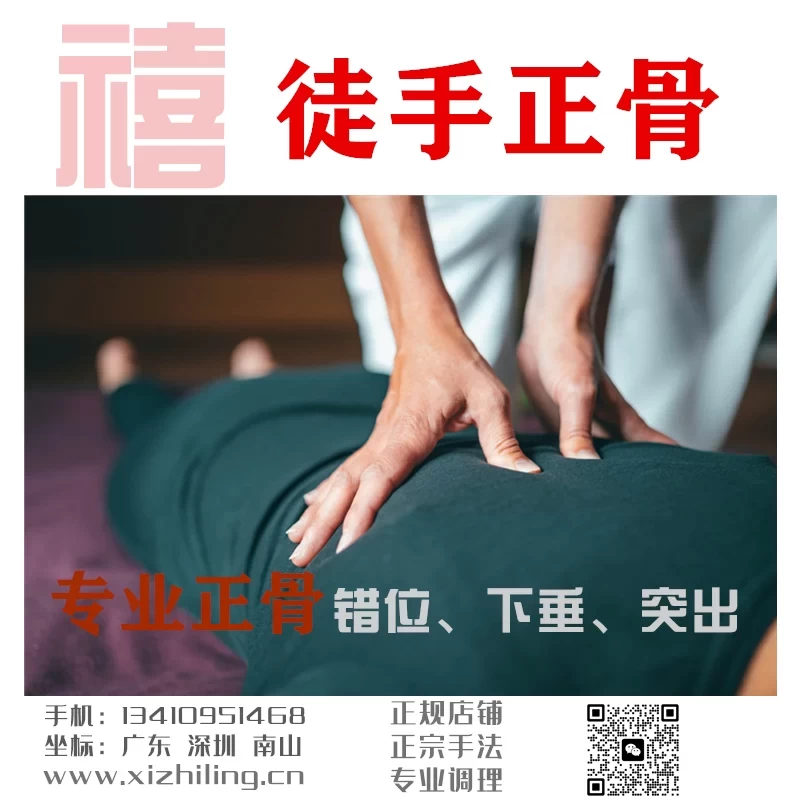
Manual Bone Reshaping Posture Balance Care
Manual Bone Reshaping Posture Balance Care is a comprehensive care program that combines traditional Chinese medicine principles of sinew and bone conditioning, modern anatomical knowledge, fascia relaxation, joint mobility release, pelvic balance management, and muscle control training. The program primarily targets sub-health conditions such as prolonged sitting, looking down at work, poor posture, shoulder and neck tension, back and waist soreness, pelvic instability, and postural imbalance, helping the body restore a more natural, relaxed, and balanced state.
This program is not medical bone setting, nor does it treat fractures, dislocations, acute injuries, or other conditions through reduction. Instead, it uses professional techniques to gently soothe muscles, fascia, and tissues around joints, combined with posture assessment and muscle control training, to help improve body tension, enhance joint flexibility, and overall postural stability.
What is Manual Bone Reshaping Posture Care?
Manual bone reshaping posture care is a manual therapy approach centered on body structural balance and posture management. It focuses on the force relationships among the shoulders, neck, spine, pelvis, hips, knees, ankles, and feet. By observing standing posture, sitting posture, gait, and local muscle tension, it determines whether the body has issues such as forward tilt, backward tilt, rotation, or uneven left-right force distribution.
During the care process, the therapist uses techniques such as pressing, kneading, pushing, stretching, fascia release, joint surrounding relaxation, and muscle activation training to help the body release long-term accumulated stress, improve tension caused by poor posture, and gradually restore a more relaxed and natural posture.
Main Benefits of Manual Bone Reshaping Care
1. Improve Postural Imbalance
Habits such as prolonged looking down, sitting for long periods, carrying a bag on one shoulder, or crossing legs can easily lead to rounded shoulders, hunched back, anterior pelvic tilt, and uneven shoulder height. Manual soothing and posture management help the body restore a more coordinated force distribution.
2. Relieve Shoulder, Neck, Back, and Waist Tension
The shoulders, neck, back, lumbosacral area, and around the pelvis are the most prone areas to tension in modern people. Fascia release, muscle relaxation, and joint surrounding soothing can help relieve soreness, stiffness, heaviness, and fatigue.
3. Enhance Joint Flexibility
Lack of exercise or fixed postures can reduce the mobility of shoulder joints, thoracic spine, hip joints, and ankle joints. Gentle stretching and joint surrounding relaxation help improve body mobility.
4. Support Pelvic Balance Management
The pelvis is an important structure connecting the upper and lower body. Tension or uneven force around the pelvic muscles can cause lumbosacral soreness, tight buttocks, and heavy lower limbs. Pelvic surrounding soothing and muscle control training help improve body stability.
5. Enhance Muscle Control Awareness
Combining Pilates-style muscle control training and breathing guidance helps clients better perceive the activation of core muscles, gluteal and leg muscles, and shoulder and back muscles, reducing the physical burden caused by incorrect postures.
6. Improve Overall Body Comfort
When the body's force distribution is more coordinated, muscle tension is relaxed, and joint movement is more flexible, daily walking, standing, sitting, and sleep comfort will improve.
Common Care Contents
Posture Assessment
Observe the force distribution of the shoulders, neck, spine, pelvis, lower limbs, and feet to understand if there are issues such as uneven shoulder height, rounded shoulders, hunched back, anterior pelvic tilt, or uneven left-right force.
Shoulder, Neck, and Spine Soothing
For issues like looking down at work, stiff shoulders and neck, and tight upper back, techniques such as pressing, kneading, and fascia soothing help release tension in the shoulders, neck, and back.
Pelvic Surrounding Relaxation
Soothing care around the lumbosacral area, hips, buttocks, and upper thighs helps improve tightness around the pelvis and discomfort from prolonged sitting.
Fascia Release
Using techniques that combine deep and shallow pressure to release fascial tension points, improving muscle adhesion, local soreness, and restricted body movement.
Stretching and Joint Mobility Relaxation
Gentle stretching of the shoulders, thoracic spine, hips, knees, and ankles helps the body regain a better range of motion and a sense of ease.
Muscle Control Training
Through simple core activation, gluteal and leg engagement, and shoulder-back stability training, clients can establish correct body activation habits.
Service Process
- Body Condition Communication: Understand discomfort in the shoulders, neck, back, waist, pelvis, lower limbs, and lifestyle habits.
- Posture Observation and Assessment: Observe standing posture, sitting posture, shoulder and neck position, pelvic state, and left-right body balance.
- Muscle and Fascia Relaxation: Soothing care for tight areas including shoulders, neck, back, lumbosacral area, buttocks, and legs.
- Joint Surrounding Soothing: Gentle stretching and mobility release to help the body regain flexibility.
- Muscle Control Training: Guide simple core, gluteal-leg, and shoulder-back stability exercises to help with daily self-management.
- Care Recommendations: Provide sitting, standing, exercise, and stretching advice based on individual conditions.
Suitable Candidates
✅ People who look down for long periods, work at a desk, and have stiff shoulders and neck
✅ People who sit for long periods with little movement, experiencing back and waist soreness and tightness around the pelvis
✅ People with postural issues such as rounded shoulders, hunched back, uneven shoulder height, or anterior pelvic tilt
✅ People who frequently cross their legs, put weight on one side, or have left-right body imbalance
✅ People with muscle tension after exercise or reduced joint mobility
✅ People who want posture management, fascia relaxation, and body balance care
Daily Posture Care Recommendations
- Reduce prolonged sitting: Every hour of work, it is recommended to stand up and move the shoulders, neck, back, waist, and hips.
- Avoid prolonged looking down: When using a phone or computer, try to keep the screen level with your eyes.
- Reduce crossing legs: Avoid prolonged single-side weight bearing to reduce left-right pelvic imbalance.
- Strengthen core training: Appropriately perform planks, glute bridges, Pilates, and other stability exercises.
- Maintain moderate stretching: Focus on stretching the chest, hip flexors, gluteal-leg area, and shoulder-neck region.
- Sleep posture management: Choose appropriate pillows and mattresses, avoid prolonged curling up or twisted postures.
People Who Are Not Suitable or Should Seek Medical Advice First
⚠️ People with acute fractures, dislocations, severe sprains, or in the recovery period of trauma are not recommended to undergo this program.
⚠️ People with acute herniated disc, obvious nerve compression, persistent numbness, or radiating pain should seek medical advice first.
⚠️ People with severe osteoporosis, spinal diseases, post-surgery recovery, severe hypertension, or heart disease should choose cautiously.
⚠️ Pregnant women, those who have not completed the safe recovery period after childbirth, or those with extreme weakness should consult a doctor first.
⚠️ If severe pain, dizziness, nausea, lower limb weakness, or abnormal bowel or bladder function occurs, seek medical attention immediately.
Appointment and Service Guarantee
- Assessment before care: Understand the body condition and suitability before care.
- Gentle techniques: No forced manipulation, no high-risk reduction procedures.
- Adjustable pressure: If you feel discomfort during care, you can inform the therapist to adjust at any time.
- Private environment: Independent care space to reduce interruptions and enhance comfort.
- After service: It is recommended to drink more warm water and avoid immediate vigorous exercise, catching cold, or excessive stretching.
Book an Experience Now
Manual Bone Reshaping Posture Balance Care is suitable for people who sit for long periods, have tight shoulders and neck, back and waist soreness, postural imbalance, and discomfort around the pelvis. Through professional assessment, fascia relaxation, joint mobility release, and muscle control training, it helps the body regain a relaxed, stretched, and balanced state.
Welcome to Visit and Book
Manual bone reshaping posture balance care is suitable for people with shoulder, neck, back, and waist tension, discomfort around the pelvis, postural imbalance, and those who want body balance management.

 15*** Comments say:


 WeChat Work
 Telegram Consultation
 WeChat Consultation
已发表的评论(0)
No comments yet.