
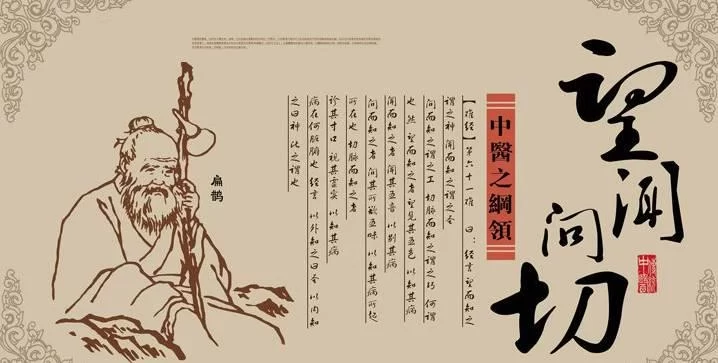
Traditional Chinese Medicine (TCM) root-cutting therapy is a unique method for treating hemorrhoids. It combines traditional Chinese medicine therapies such as herbal medicine, acupuncture, and tuina, and aims to cure hemorrhoids by combining systemic regulation and local treatment. The core of TCM root-cutting therapy lies in "cutting the root," which means thoroughly eliminating the lesion to prevent recurrence.
Principles of TCM Root-Cutting Therapy
TCM believes that the occurrence of hemorrhoids is related to factors such as damp-heat, qi stagnation, and blood stasis in the body. Through root-cutting therapy, these pathogenic factors can be removed, thereby achieving the effect of curing hemorrhoids.
Treatment Methods
1. Herbal Medicine Treatment
Herbal medicine is an important part of TCM root-cutting therapy. The methods of treating hemorrhoids with herbal medicine mainly include oral administration and external application.
Oral herbal medicine: Mainly based on the principles of clearing heat and detoxifying, promoting blood circulation and removing blood stasis, and strengthening the spleen and resolving dampness. Commonly used herbs include Huanglian (Coptis chinensis), Huangbai (Phellodendron amurense), Pugongying (dandelion), and Diyu (garden burnet root).
External herbal medicine: Mainly used for local treatment, through methods such as sitz baths and fumigation, to achieve the effects of reducing swelling and pain, stopping bleeding, and promoting the retraction of hemorrhoids. Commonly used external drugs include Machixian (purslane), Kushen (Sophora flavescens), and Diyu.
2. Acupuncture Treatment
Acupuncture stimulates specific acupoints to regulate the flow of qi and blood in the body, achieving the purpose of treating hemorrhoids. Commonly used acupoints include Changqiang (GV-1), Chengshan (BL-57), Huiyin (CV-1), and Erbai (EX-UE2).
Acupuncture method: By needling acupoints, it dredges the meridians and harmonizes qi and blood.
Moxibustion method: By applying moxibustion to acupoints, it warms the meridians, dispels cold, and relieves pain.
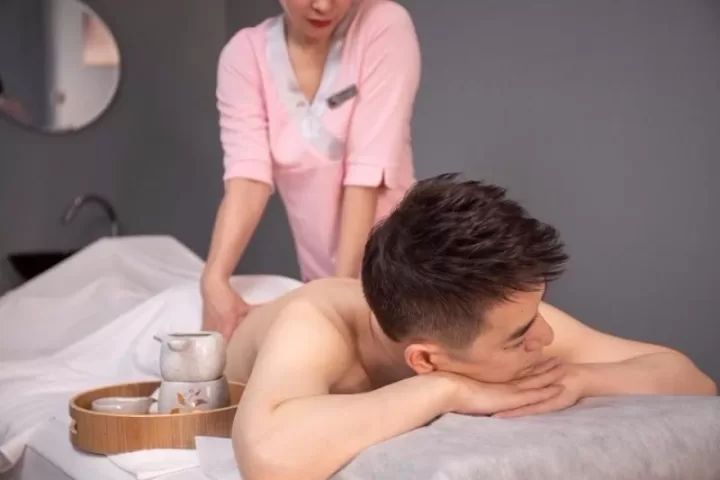
3. Tuina Treatment
Tuina can promote blood circulation and improve hemorrhoid symptoms through local massage and pressure. Common methods include pressing Chengshan acupoint and massaging Changqiang acupoint.
4. Dietary Regulation
TCM root-cutting therapy emphasizes overall regulation, and diet is also an important part. Patients are advised to eat more fiber-rich foods to keep bowel movements smooth and avoid spicy and irritating foods.
Advantages of Root-Cutting Therapy
Holistic regulation: TCM root-cutting therapy not only focuses on local treatment but also emphasizes overall regulation, harmonizing qi and blood, and improving constitution.
Non-invasive: Compared with surgical treatment, TCM root-cutting therapy is non-invasive, causing less pain and faster recovery.
Prevention of recurrence: By removing pathogenic factors, it achieves the purpose of preventing recurrence.
Precautions
Treatment based on syndrome differentiation: TCM treatment emphasizes syndrome differentiation. Patients should choose appropriate treatment methods under the guidance of a professional TCM practitioner according to their specific conditions.
Persist in treatment: TCM treatment of hemorrhoids requires a process. Patients should be patient and persistent, follow the doctor's advice on medication and treatment.
Pay attention to diet: During treatment, attention should be paid to dietary regulation, avoiding spicy and irritating foods, and keeping bowel movements smooth.
Conclusion
TCM root-cutting therapy can effectively treat hemorrhoids and improve patients' quality of life through a combination of internal and external treatment and holistic regulation. When choosing TCM treatment, patients should develop a personalized treatment plan under the guidance of a professional TCM practitioner based on their own conditions, and persist in treatment to achieve good results.




 15*** Comments say:


 WeChat Work
 Telegram Consultation
 WeChat Consultation
已发表的评论(0)
No comments yet.