
Facing COVID-19, is there a specific drug?
Professor Zhang Wenhong, director of the Department of Infectious Diseases at Huashan Hospital affiliated with Fudan University, gave the answer: "The most effective drug is human immunity." We found that among those with a history of contact with COVID-19 patients, some were infected while others remained safe. What exactly is immunity related to? How can we boost immunity?
The human immune system is very complex and affected by many factors.
1. Age
First is age. Immunity gradually declines with age, which is an inevitable trend. ① The elderly have low immunity, and accompanied by some underlying diseases, this increases the risk of viral infection. In the COVID-19 epidemic, we found that about 80% of deaths in Hubei Province were people over 60 years old. ②
There are also reports of a 103-year-old patient recovering and being discharged, and there are also young and middle-aged people who died from the disease, indicating that the strength of immunity is not completely related to age. In addition to age, which is an unmodifiable factor, the strength of immunity is also related to factors such as dietary habits and lifestyle.
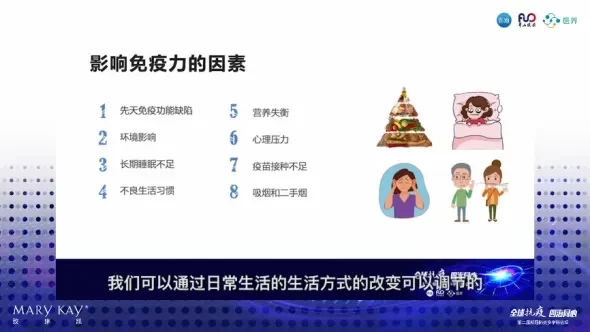
2. Diet and Nutrition
In terms of diet, unbalanced nutrition can reduce immunity. Some women deliberately diet to control weight. Insufficient staple food intake can lead to energy deficiency, affecting the normal functioning of the immune system; the protein rich in meat is the material basis of the body's immune function. If lacking, it can also affect the number and combat effectiveness of immune cells.
In addition, eating too much meat and fish has almost become the standard for every meal, and more and more people are overweight or obese. In these people, elevated cholesterol levels can reduce the ability of immune cells to phagocytose bacteria, viruses, and foreign substances. Obesity is also accompanied by chronic inflammation. Fat cells can act as a protective umbrella for tumors to evade immune cell surveillance, making it difficult for the body to detect and clear them in time.
3. Sleep
In terms of lifestyle, sleep has the greatest impact on immunity. Lack of sleep not only affects mental state but also makes one more susceptible to viral invasion. Studies show that people who sleep less than 5 hours per night have an 82% higher chance of influenza virus infection than those who sleep 7-8 hours per night. ③
4. Smoking
In addition to eating and sleeping, there is another important factor affecting immunity that must be mentioned. During the COVID-19 epidemic, some people openly proposed: "Smoking can prevent novel coronavirus infection." This is completely wrong! Frequent smoking or being in a second-hand smoke environment can damage the activity of immune cells and significantly reduce immunity. Many COVID-19 patients have a history of smoking. Studies show that smokers have a 5 times higher risk of influenza virus infection than non-smokers. ④ Therefore, smoking not only does not help prevent COVID-19 but also damages immunity.
Scientifically boosting immunity is not achieved overnight
We are constantly surrounded by tens of thousands of various bacteria, viruses, fungi, and other microorganisms. It can be said that they are "everywhere and at all times." To leave no opportunity for invaders, we must maintain strong immunity every day.
Shao Lingyun, deputy director of the Department of Infectious Diseases at Huashan Hospital affiliated with Fudan University, emphasized at the "Mary Kay Family Nutrition Management Sub-forum" of the Second Multidisciplinary Forum on COVID-19 that white blood cells, which are most closely related to immunity, need at least 2-3 weeks to renew. Therefore, improving immunity is not achieved overnight; it requires long-term persistence.
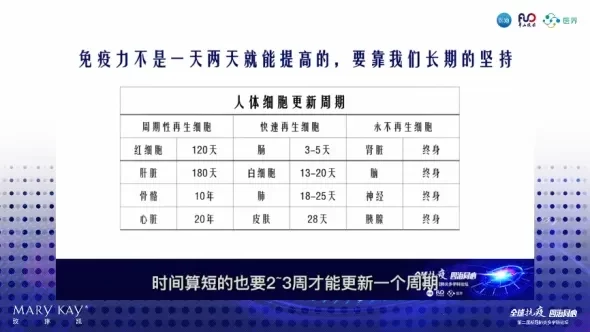
So what exactly should we do to scientifically boost immunity? Gao Jian, director of the Nutrition Department at Zhongshan Hospital affiliated with Fudan University, believes that improving immunity requires starting from three aspects: balanced diet, healthy lifestyle, and scientific nutritional supplementation.
1. Balanced diet
Follow the recommendations of the "Dietary Guidelines for Chinese Residents," ensure food diversity, eat more vegetables, fruits, dairy, and soybeans; eat appropriate amounts of fish, poultry, eggs, and lean meat; reduce salt, oil, sugar, and limit alcohol.
2. Healthy lifestyle
Achieve moderate exercise, adequate sleep, quit smoking and limit alcohol, and adjust mindset. Regular and moderate-intensity exercise can increase the number of immune cells in peripheral blood and enhance the ability to clear viruses. At the same time, the production of anti-inflammatory factors increases, enhancing the body's immune function. However, exercise should also be balanced, because long-term high-intensity exercise can actually damage immune function.
3. Scientific nutritional supplementation
With the accelerating pace of life, many people choose fast food or convenience foods, and the quality of their diet is not high enough. At the same time, external environmental pollution is increasing, soil nutrients are lost, and the nutritional value of food declines. Therefore, the nutrition community also advocates supplementing some nutrients appropriately to meet the body's needs.
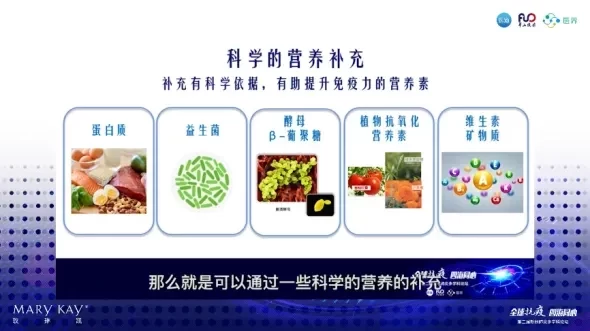
The nutrients that help boost immunity mainly include the following categories:
The first category is protein. Protein is not only the basis of life but also the basis of immunity. Many immune organs, immune cells, and various antibodies in the human body are composed of protein. Only with sufficient protein intake can immune cells have enough immune weapons and be more combat-effective.
The second category is probiotics. In the "Diagnosis and Treatment Plan for Novel Coronavirus Pneumonia (Seventh Edition)", it is recommended to use probiotics and other intestinal microecological regulators to maintain intestinal microecological balance and prevent secondary bacterial infections. ⑤ This is because probiotics can activate human immune cells, inhibit harmful bacteria, and form an effective immune barrier in the intestine. Studies show that Bifidobacterium lactis Bl-04⑥, Lactobacillus acidophilus NCFM, and Bifidobacterium lactis Bi-07⑦ can effectively prevent or reduce respiratory diseases.
Research has found that polysaccharides are also important nutrients for boosting immunity. The most representative is yeast β-glucan, which can enhance the combat effectiveness of neutrophils (a type of immune cell). Studies show that yeast β-glucan can enhance immune cell activity⑧ and improve immunity reduction caused by various reasons⑨, maintaining good health.
In addition, the Chinese Nutrition Society proposed in its nutritional recommendations for preventing and treating novel coronavirus pneumonia that supplements such as lycopene, lutein, EGCG and other plant antioxidant nutrients, as well as micronutrients such as vitamins A, B, C, D, and E, can protect immune cells from oxidative damage by free radicals, maintain epithelial cell tissue, and enhance immunity.
Immunity boosting plans for different populations
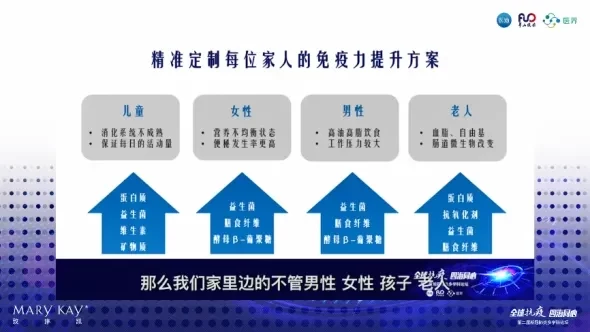
Children: They are in a rapid growth and development period and have a large demand for protein. It is necessary to ensure daily intake of high-quality protein. In addition, children's digestive systems are not fully developed and are prone to digestive problems such as diarrhea. The Chinese Preventive Medicine Association recommends using probiotics to improve children's intestinal function. In addition, attention should be paid to supplementing vitamins and minerals to enhance children's immunity.
Women: They often suffer from unbalanced nutrition due to dieting, which not only affects immunity but also affects women's beauty. Due to physiological structure and hormone levels, the incidence of constipation in women is much higher than in men. ⑩ Therefore, women need to pay attention to supplementing probiotics, dietary fiber, and yeast β-glucan. This can not only maintain intestinal health and boost immunity, but also serve as an important foundation for women's external beauty.
Men: Due to high work pressure and excessive intake of high-oil and high-fat foods, they may experience "four highs" problems, namely high blood pressure, high blood lipids, high blood sugar, and high uric acid. These are risk factors for serious diseases such as myocardial infarction and stroke. In recent years, reports of middle-aged men dying from cardiovascular diseases are common. Therefore, we need to pay attention to men's health. Men can supplement dietary fiber and probiotics to help the intestines excrete oil and establish intestinal barrier function. They can also supplement yeast β-glucan to boost immunity and maintain good health.
Elderly: They have multiple chronic underlying diseases and low immune function. They are susceptible to COVID-19 and are also at high risk for other diseases. To care for the health of the elderly, it is necessary to control underlying diseases, supplement high-quality protein, and maintain basic nutritional supply. Antioxidants can also be supplemented to eliminate excess free radicals from the source and protect the cardiovascular system. Probiotics and dietary fiber can help improve the intestinal function of the elderly, enhance overall immunity, and help them resist various diseases.








 15*** Comments say:


 WeChat Work
 Telegram Consultation
 WeChat Consultation
已发表的评论(0)
No comments yet.